

Contact lenses have revolutionized vision correction, offering a convenient alternative to glasses. Whether for nearsightedness, farsightedness, or astigmatism, these small lenses sit directly on the eye, providing clear vision without the bulk of frames. Many users appreciate their portability, comfort, and ability to engage in physical activities without obstruction. However, wearing contact lenses requires more than just insertion; proper usage, hygiene, and awareness of potential risks are vital for eye health. Missteps in care can lead to irritation, infection, or long-term damage. Understanding the essentials of contact lens use helps individuals enjoy their benefits safely. This article explores the top facts everyone should know about contact lenses to maximize both comfort and safety.
Proper Hygiene Is Crucial

One of the most important considerations when using contact lenses is maintaining excellent hygiene. Touching lenses with unwashed hands or using contaminated solutions can introduce bacteria to the eye, leading to infections such as conjunctivitis or keratitis. Cleaning and storing lenses in a disinfecting solution helps minimize the risk of eye complications. Daily lenses should be disposed of after use, while reusable lenses require routine cleaning according to manufacturer instructions. Additionally, never use tap water to rinse lenses, as it can contain microorganisms harmful to the eye. Proper hygiene not only protects vision but also enhances the overall comfort of wearing lenses.
Understanding Lens Types and Wear Schedules
Contact lenses come in various types, including daily disposables, bi-weekly, monthly, and extended wear options. Each type has a specific usage schedule that affects both eye health and convenience. Daily disposables are ideal for beginners or travelers since they eliminate the need for cleaning and reduce infection risk. Longer-term lenses offer cost savings but require disciplined cleaning and storage. Choosing the correct lens type depends on lifestyle, prescription needs, and personal preference. Misusing lenses or exceeding recommended wear time can lead to dryness, irritation, or more serious complications, emphasizing the importance of adhering to schedules.
Regular Eye Exams Are Essential
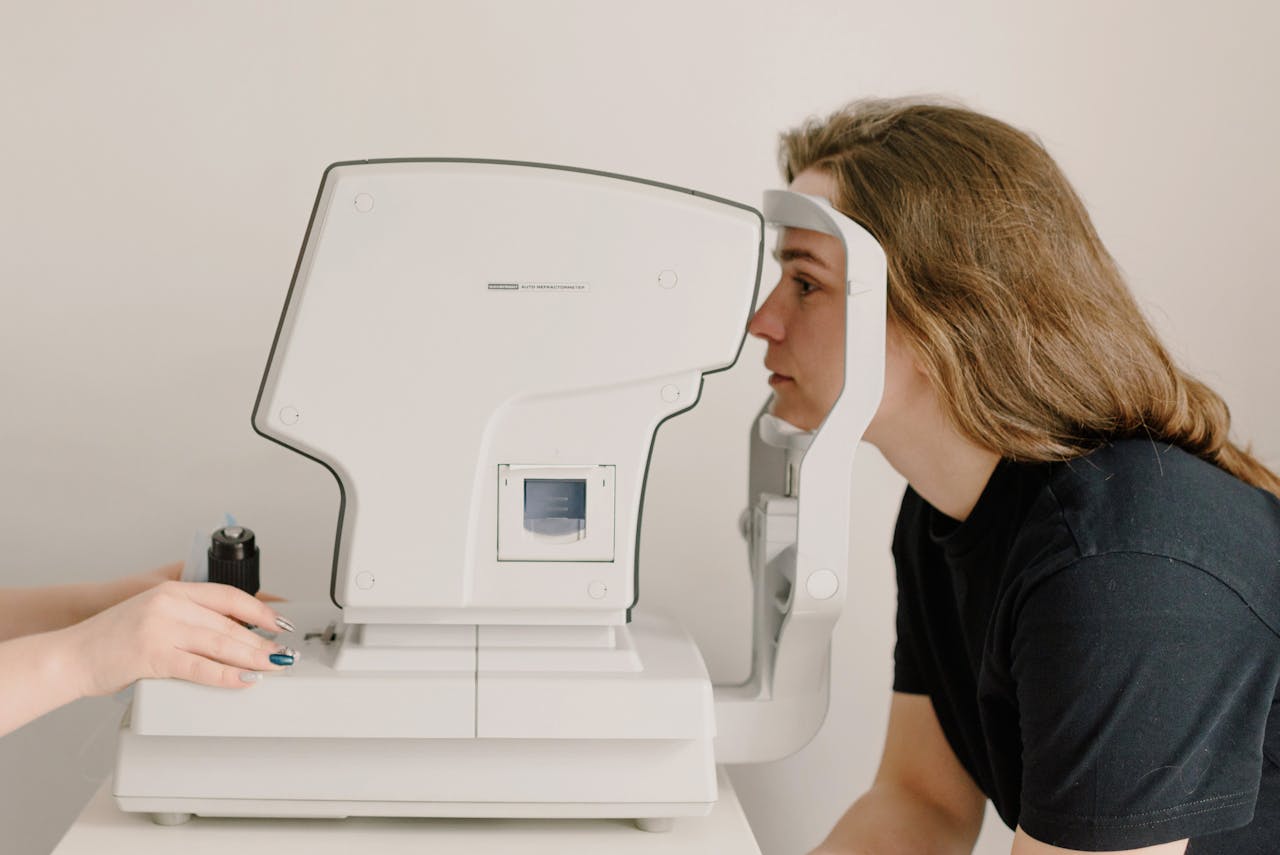
Wearing contact lenses without regular eye check-ups can jeopardize eye health. Vision can change over time, and lenses that no longer fit properly may cause discomfort, blurred vision, or corneal damage. Eye care professionals assess lens fit, eye moisture, and overall ocular health during routine exams. These evaluations help identify early signs of complications, such as corneal abrasions or infections, ensuring corrective measures are applied promptly. Regular check-ups also allow for updates in prescriptions, ensuring optimal vision correction. Skipping examinations can compromise both the effectiveness of lenses and the long-term health of the eyes.
Potential Risks and How to Manage Them
While contact lenses offer convenience, they also carry potential risks if misused. Common issues include dry eyes, irritation, allergic reactions to solutions, and infections from improper handling. Managing these risks involves several precautions. Always follow instructions for insertion, removal, and cleaning. Remove lenses immediately if experiencing pain, redness, or blurred vision. Avoid wearing lenses overnight unless specifically designed for extended wear. Additionally, using lubricating eye drops recommended for contact lens users can reduce dryness and improve comfort. Being proactive and attentive helps prevent complications and ensures a safe lens-wearing experience.
Contact lenses provide a flexible, convenient, and effective solution for vision correction, but their benefits come with responsibilities. Maintaining proper hygiene, understanding lens types and schedules, attending regular eye exams, and managing potential risks are all essential for safe and comfortable use. By being informed and disciplined, users can enjoy clear vision while minimizing the likelihood of irritation or infections. Awareness of these key facts supports long-term eye health, enhances comfort, and allows for a worry-free experience with contact lenses in daily life.